post

Homes for Mukuni

Winter in Zambia is between June and August, although the daytime temperatures can reach up to 25 degrees the nights can drop below 4 degrees. For many this is a very difficult time, with no money to repair thatched a roof, no mattress, no blanket nor warm clothes the cold nights can be unbearable. For old people with a number of ailments, sufferers of  TB and  HIV/AIDS in Zambia and new born babies it can be life-threatening. I have come across a number of people who are still sleeping with no shelter, open to the elements and snakes.

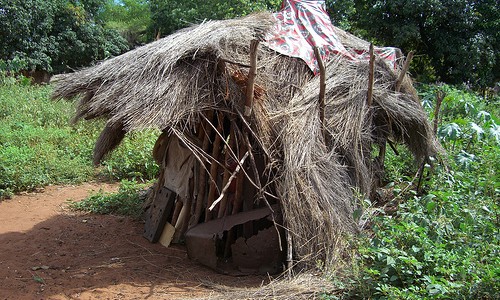
Homes for Mukuni: a dwelling in Mukuni Village

The Butterfly Tree’s community housing project provides substantial mud huts with a concrete floor for the most vulnerable. Using local builders a construction can be erected for just £400 and can comfortably sleep up to four people. One woman in Mukuni Village told me that when she lies down in her new home she thinks that she must be dreaming. To date we have built over 30 of these houses but need many more . This is the time of year when the grasses are ready for gathering, old roofs can be rethatched to keep the huts dry in the rainy season.

CNV00053 by you.

The Butterfly Tree community house

Providing a new home for a widow with young children or an elderly person who has no one to care for them can give them hope and a better chance of surving the cold winter months. A mattress at £20 and a blanket for £10 is an added bonus.

post

Orphans in Zambia

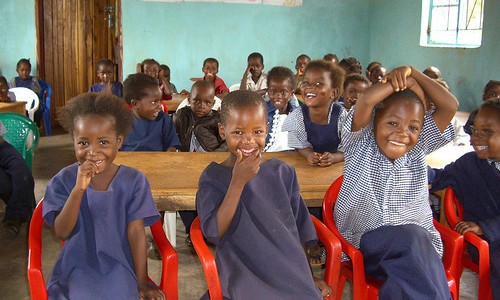
Losing a parent is heartbreaking for any child; then having to give up your education makes it almost unbearable. This is the case of many orphans in Zambia. In the six Zambian schools supported by The Butterfly Tree there are almost 1000 orphans. To date we are sponsoring 175 children and desperately need more  donors to sponsor orphans in Zambia. On my last trip to Mukuni Village I was staggered to meet over sixty children who could not meet their school and exam fees. By giving a child an education it is not just giving them a chance in life it is also giving them hope.

Mukabalenga was one of the first orphans in Zambia to be on The Butterfly Tree orphan sponsorship program and writes the following letter to her sponsor:

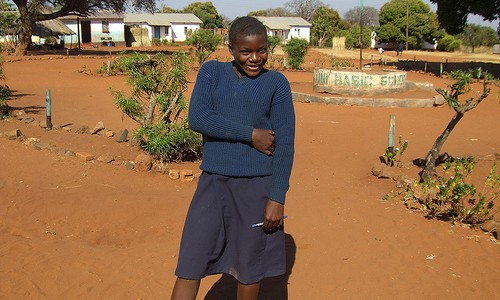
“It’s really beyond human understanding for me to have this opportunity of writing this letter to you, hope and trust all is well with you, as for me not so bad. I really appreciate your support, I don’t how I can express my appreciation. You are playing an important role in my life such as that I cannot think of my dead parents. I don’t have much to say only words of thanks dwelling in my heart.” 

Mukabalengu Siachanane - D.Feather by you.
Orphans in Zambia: Mukabalenga Siachanane at Mukuni Basic School

By paying for the orphans’ schooling, which covers school and exam fees, books, uniforms, shoes and school bag someone in the villages will accommodate them. This way the orphans do not have to be sent to the orphanages in Livingstone. Often it pushes the guardians further below the poverty line but at least the orphans are able to remain at the school with their friends, the teachers are very generous some of them having as many as five orphans living with them. Presley Mulenga, Head Teacher at Mukuni Basic School has five of his own chilren plus seven orphans living with he and his wife in his two-bedroomed house. The Butterfly Tree offers a daily feeding program to orphans in Zambia, sponsored by Cunninghams, to over 500 vulnerable children providing them a nutritional meal in addition to their morning porridge.

It costs only £95 ($150) to sponsor orphans in Zambia, alternatively £8 per month. I believe that every child has a right to education. Many more like Mukabalanga urgently need your help. To find out more visit our orphan sponsorship page. See the orphans singing with the choir on Youtube.

Katapazi Development

I am delighted to announce that The Butterfly Tree is now an aid agency for Jersey Overseas Aid. The Commission funded by the people of Jersey firmly believe that it is their moral duty to care about other people and to help them help themselves. We are honoured to working with such a wonderful organisation who give substantial funding for aidwork in developing countries and grateful for the grant that we have been given to improve the the clinic and school at Katapazi.

Katapazi is a remote village in the Mukuni Chiefdom, over thirty miles from Livingstone and some twenty miles off the Lusaka Road travelling through bush using dirt tracks. The school and clinic has a catchemnt of 5400 people and has very little help from the outside world. When I first visited Katapazi in February 2008 I discovered that they had no electricity and one bore hole for the community and school to share. Through Just a Drop and W Foundation we have added a bore hole solely for the school, which gives them an opportunity to grow food for their feeding program.

Katapazi: Basic School pupils Elizabeth, health centre midwife

Now with a grant form Jersey Overseas Aid we have commenced building a 1×2 classroom block, enabling the school to upgrade to grades eight and nine as there is a high drop out rate after grade seven. The children have to walk several miles to school most of them without shoes. We will also include desks and chairs in addition to four pit-latrine toilets for the pupils and staff.

The funding will include and extention and improvements to the clinic, run by a midwife and her community-trained helpers. There is no male ward and the nearest hospital at Zimba is a thirty mile walk from Katapazi, resulting in unnessary deaths. Solar panels, a fridge and equipment will also be provided. The communty’s contribution to the project is making bricks, providing building materials and labour and The Butterfly Tree will train them in sustainability, HIVand AIDS in Zambia awareness, water and community projects.

Katapazi: Basic School choir                                  Basic School football team

Katapazi like Mukuni is an extremely poor village and has a large number of orphans. If you would like to sponsor an orphan it is £95 per annum or £8 per month. Visit Youtube and see the Katapazi choir singing and the boys playing football with bare feet using a ‘bag and string’ football.

post

Summit’s Official Charity

Once again we are delighted that Eye for Travel has chosen The Butterfly Tree as the official charity for the Travel Distribution Summit Europe 2009, the world’s biggest event for travel marketing, pricing and technology executives. This is being held on 19th-20th May at the Business Design Centre, London. Helping to reduce world poverty through the tourist industry is one of the charity’s key aims and we have gained a number of suppoters as a result of this.

The tourist industry has a huge market in developing countries and must be prepared to give something back to the communities they are operating in. Besides providing jobs for local people, safe clean water and medical care is also extremely important. Many community bore holes have been drained as a result of golf courses being watered! Over sixty per cent of hoteliers worldwide do not participate is social corporate initiatives. The Butterfly Tree has partnered with Sun International Zambia where their community programs support orphanges, a hospice and sustainable businesses for vulnerable people.

Philanthropic Travel: Mukuni Pre-school funded by a tourist

Zambia’s tourism is rapidly developing, Livingstone is the capitol of tourism and  The Butterfly Tree is working with tour operators and local lodges such as Stanley Safari Lodge who through their clients raise funds for Mukuni Basic School. If you are a tour operator or hotelier working in the area ensure that you are helping the community and if you are visiting the Victoria Falls spare a couple of hours to go to Mukuni Village and see a cultural way of life, for many it is the highlight of their entire trip. Giving something back is both rewarding and beneficial to those in need, join our cause to reduce world poverty by making a donation.

post

Mukuni Education is Key

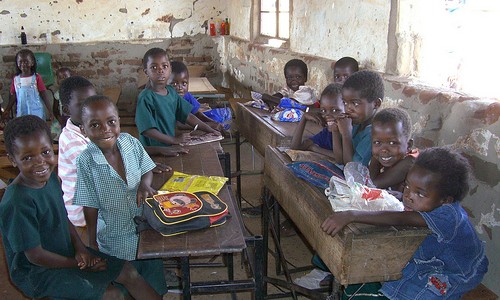
For an orphan in Mukuni Village going to school is the highlight of their life. When you live in one of the poorest communities in the world there are no computers, IPods or TVS. Mud huts have no electricity, so school is the only place they can learn and they love it! To reach Mukuni some children have to walk as much as ten miles each way often having no breakfast before leaving home, this is ok when you are sixteen but far too far if you are only six. I drove out to Siachilobe to actually judge the distance the older children walk from their village to Mukuni, it’s a long, long way especially when the temperatures soar to over 40 degrees.

The Butterfly Tree is currently supporting six schools in the Mukuni Chiefdom but we need more classrooms to upgrade these schools so that the children do not have to spend too many hours of their day walking. We are currently raising funds for a Science block at Mukuni to complete our high school project. Ngandu has been able to upgrade to grades 8 and 9 as a result of the charity renovating an old classroom, last month we have commenced develoment at Katapazi school.

Mukuni Education classroom in need of restoration

Now we needs funds for Kamwi and Siamasimbi two remote schools that receive no other support from the outside world. Siamasimbi becomes inaccessable during the rainy season therefore is is imperative to develop the school. We insist on community participation by asking the villages to make bricks, provide river sand and fetch water; the government provides the teachers therefore we also need to source funds for teachers’ houses.

Education is the key to developing these rural schools, building classrooms, providing safe, clean water and feeding programs. Sponsor an orphan and give a vulnerable child a chance in life.

post

World Malaria Day

Today is World Malaria Day and marks the unified commemoration of the global effort to provide effective control of malaria throughout the world. Each one of us should be aware and support the United Nations target for 2010 to deliver effective and affordable protection and treatment to all people at risk of malaria.

The Butterfly Tree supports Africa Malaria programs by providing malaria testing kits for Mukuni Health Centre and Katapazi Health Centre. Despite the Zambian government’s efforts there is always a shortfall. By topping up this vital supply of malaria testing kits more lives can be saved. Pregant women, babies and HIV/AIDS sufferers are particularly vulnerable. My first involvement at Mukuni back in March 2006 was to see a woman recovering from malaria as a result of our support. Zambia has the most deadly and most common form of malaria – Plasmodium falciparumtreatment is available once diagnosis has been obtained. 

world malaria day

World Malaria Day supports young Mukuni boy vulnerable to malaria

For World Malaria Day The Butterfly Tree is making an appeal on Touch Radio, Twitter and Facebook to ask everyone to donate just £1 to purchase a malaria testing kit. Your donation could save somone’s life.

post

Africa Malaria

World Malaria Day is on the 25th April and The Butterfly Tree is helping to promote malaria awareness and appealing to everyone to donate just £1 ($1.50) to buy a malaria testing kit, which could save a child’s life. According to the World Health Organization half of the world’s population is at risk of malaria, and an estimated 247 million cases led to nearly 881,000 deaths in 2006. The World malaria report 2008 describes the global distribution of cases and deaths from malaria, how WHO-recommended control strategies have been adopted and implemented in malaria endemic countries, sources of funding for malaria control, and recent evidence that Malaria prevention and treatment can alleviate the burden of disease.

Africa malaria

Africa malaria: A baby recovering from Malaria at Mukuni Health Centre

Zambia has a population of less than 12 million people and yet there were 4.7 million cases of malaria reported in 2006. Malaria in Africa is the biggest killer and 75% of people worldwide who die as a result of malaria are children under the age of five mostly in sub-Sahara Africa. The latest report from WHO announced today states that Zambia has achieved a major reduction in malaria mortality by 66% and will be promoted for other countries to follow.

While there are four types of parasites that can cause malaria in humans, Plasmodium falciparum is by far the most deadly and common, particularly in Zambia. Once a person is bitten by a P. falciparum-carrying mosquito, the parasite grows, multiplies, and undergoes a series of complex life cycle changes that allow it to evade the immune system and infect the liver and red blood cells. Malaria disease caused by P. falciparum may result in death within hours or a few days of infection especially in those with low immunity such as children, pregnant women, people with AIDS (not necessarily HIV carriers), and travelers from areas with little or no malaria. Malaria can also result in miscarriage in pregnant women, low birth-weight infants, developmental disabilities, and other complications.

Africa Malaria Prevention

Africa malaria prevention

Team preparing to spray every mud hut in Mukuni – October 2008

The Zambian government has a strategy in place to control malaria and aimed to ensure that at least 80% sleep under Insecticide-treated nets by the end of 2008. They are doing a tremendous job but working in African remote villages I often learn that at least three children have to fit under one net. The other problem is that there are never enough testing kits, early diagnosis is crucial, each time I visit Mukuni Health Centre their supply has depleted. The Butterfly Tree raises awareness and funds to assist this vital progam by providing malaria testing kits and mosquito nets. Saga Charitable Trust have given generously to our efforts. World Malaria Day is April 25th please donate a £1 and save someone’s life and help the Africa Malaria prevention and treatment efforts.

post

Mukuni Philanthropic Travel

The Butterfly Tree is delighted to have a mention in an article featured in Conde Nast Traveler magazine. Last June I took the Donlins from New York up to Mukuni Village to show them around the school and The Butterfly Tree projects, they were very impressed with our work, donated virtually all their clothes to a poor community at Dumwa and have recently given a $2500 donation.. They have since said that it was the most memorable moment of  their trip.

Another family who I took to Mukuni during the same month gave a donation to the health centre, funded a bore hole, sponsor five orphans and offering on going support to the charity. All the visitors to Mukuni are touched by the people and their enduring hardships and are endeared to see that they still manage to smile. The importance of giving back to a community is invaluable, sitting round the pool of a five star hotel or playing on a golf course gives employment to local people but donating a bore hole gives their families safe clean water, a chance to improve their health, grow vegetables and gives them a chance to become sustainable.

In March we had great fun distributing the 2000 t-shirts and shorts donated by a group of tourists, through Nakker International, who visited Mukuni earlier in the year.

Mukuni children photo
New T-shirts for Mukuni children

It is a mutual benefit for both the traveller and the people in these developing countries. Anyone visiting the Victoria Falls can visit Mukuni Village and see The Buttefly Tree at work, many have said it was the highlight of their travels to Southern Africa. Philanthropic travel can make a difference to someone’s life, through our orphan sponsorship program you can make a difference to their entire community.

post

Special Orphan Sponsorship

Two weeks ago Paul from Blackpool contacted me to say that he was going out to Zambia for a holiday and that he’d like to get involved with a charity working at Mukuni Village; by the end of the conversation Paul generously offered to fund a bore hole. Little did I realise that this was just his first donation. After several subsequent phone calls Paul told me that he was so inspired by the work of The Butterfly Tree that he would like to donate further funds.

Lillian Mwandila has lost both her parents and is eleven years old. She lives with her grandmother and four other orphans in a tiny mud hut in the middle of Mukuni Village. She was on our orphan sponsorship list awaiting a donor along with 59 orphans who I met last month. Now she has been offered an amazing opportunity thanks to Paul who will shortly be visiting Zambia, to not only obtain a full education at Mukuni but the rare opportunity to go on to University. Why was Lillian selected from such a long list when they are all vulnerable? The Butterfly Tree team in Zambia spent two days talking to teachers, visiting homes and scrutinising the orphans before they made their selection. Lillian proved to be the most needy with a clever mind, someone who hopefully will prosper from this wonderful offer and gain knowledge to assist her community in the future.

Lillian Mwandila
Lillian Mwandila from Mukuni Village

My new donor didn’t stop there after further conversations Paul wanted to fund five community houses, one of which I suggested went to Lillian’s family and he also offered extra funds for the other orphans living with her. After talking about the shortage of food and our successful feeding program at Mukuni Paul has also offered to start one at Siamasimbi School. Overnight Paul realised the importance of philanthropic travel, giving something back to the community he is visiting.

In the midst of all our doom and gloom due to the global crisis, do we stop and think just how much all the developing countries are suffering? Now one man’s kindness has given a boost to the charity funds and hope for a young Zambian girl. You too can get involved with our orphan sponsorship program and help Zambian children like Lillian.

post

Food for Mukuni Schools

Whether it’s a school meal or a packed lunch all our children receive something to get them through the school day. When you have to leave home at 4am for a three hour walk to school to start lessons at 7am by mid morning the hunger pains begin. There is no morning porridge because the supplies have run out and your family are too poor to provide a packed lunch or fund something from the tuck shop, by noon you become tired and lethargic. The afternoon activities are a struggle, exams are even tougher, it becomes difficult to concentrate. The walk back home takes longer as the hunger increases.

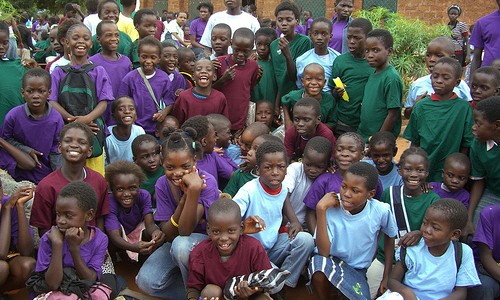
This is what happens in Mukuni and many areas that have been affected by HIV and Aids in Zambia. People are so poor that a great number only eat one meal a day, comprising of ground maize, vegetables and ground nuts. Chicken, bread, rice, eggs and milk are all luxuries. To help overcome this problem The Butterfly Tree provides a daily feeding program for Mukuni schools sponsored by Cunninghams. Over 500 children receive a daily nutritional meal, vital for the growth and development of any child.

Mukuni children
Sweets a rare treat for Mukuni children

Now we need sponsors for the other schools in the Mukuni Chiefdom: Kamwi, Ngandu, Siamasimbi and Katapazi. Not only are the school children hungry, during my last visit I met a young woman from Machenje Village, she had brought her twins to Mukuni Health Centre to be weighed having walked the three miles from her home. The infants were fourteen months old, both suffering from malnutrition, the mother had no milk to feed her babies. She told me she hadn’t eaten since the day before.

The Butterfly Tree funds an under fives feeding program to replace breast milk in mothers who are HIV positive, transmission of the disease is then prevented. Unfortuantely formula in Zambia is very costly therefore we are introducing goats milk, a high source of nutrition and a way of providing a sustainable income to the milk produces. Women who have benefited from the program have voluntered to help with the running of this. These feeding programs are essential for the develpoment of children who are the future of Zambia.