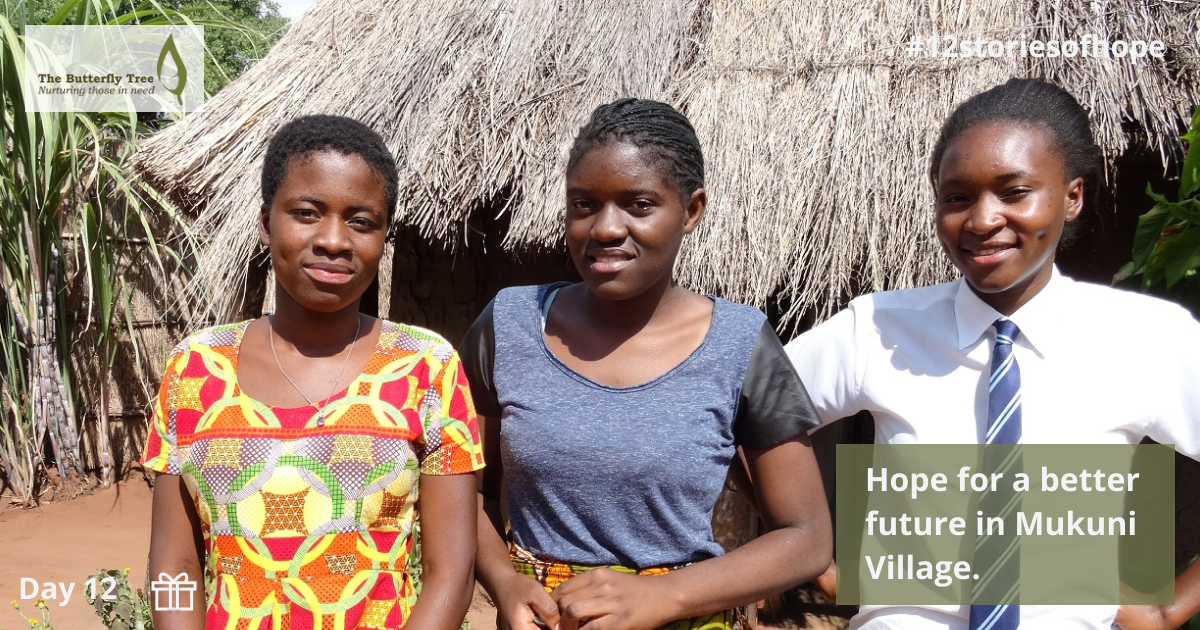
HOPE OF A BETTER FUTURE In 2006 Jane Kaye-Bailey visited Mukuni Village and met three little girls who showed her their humble home and proceeded to follow her round the village. Three weeks after returning to the UK Jane decided More details >
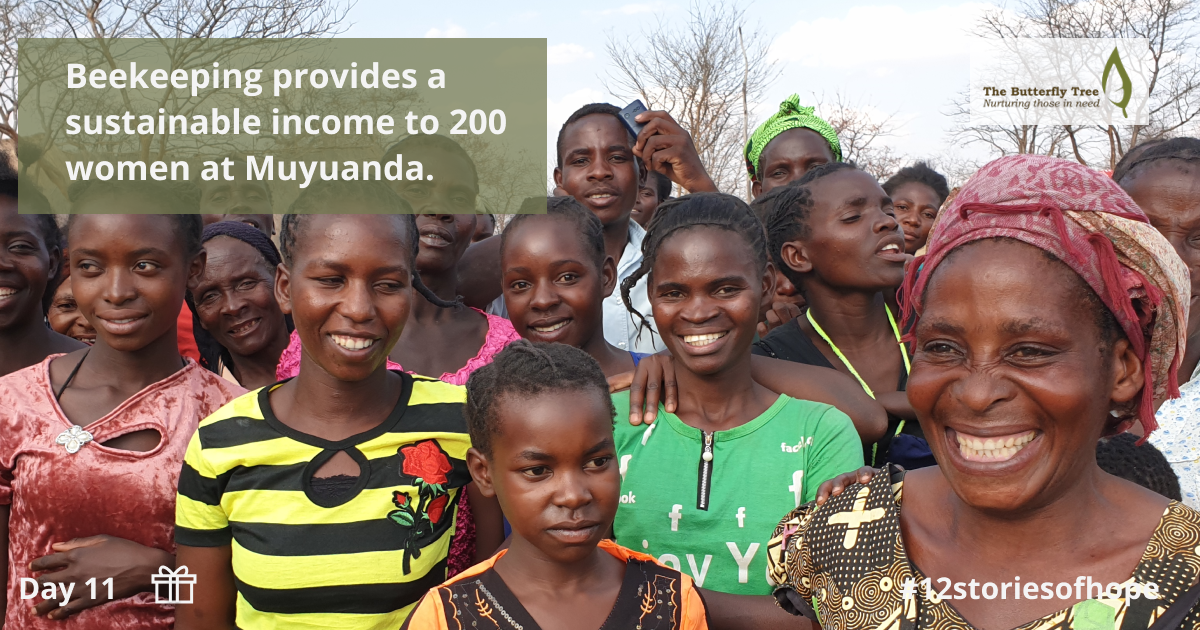
COMMUNITY PROJECTS If you educate a woman she will educate her entire family. For women in rural areas of Zambia life can be harsh, toiling in their vegetable gardens, looking after children, and walking long distances to fetch water, leaves More details >
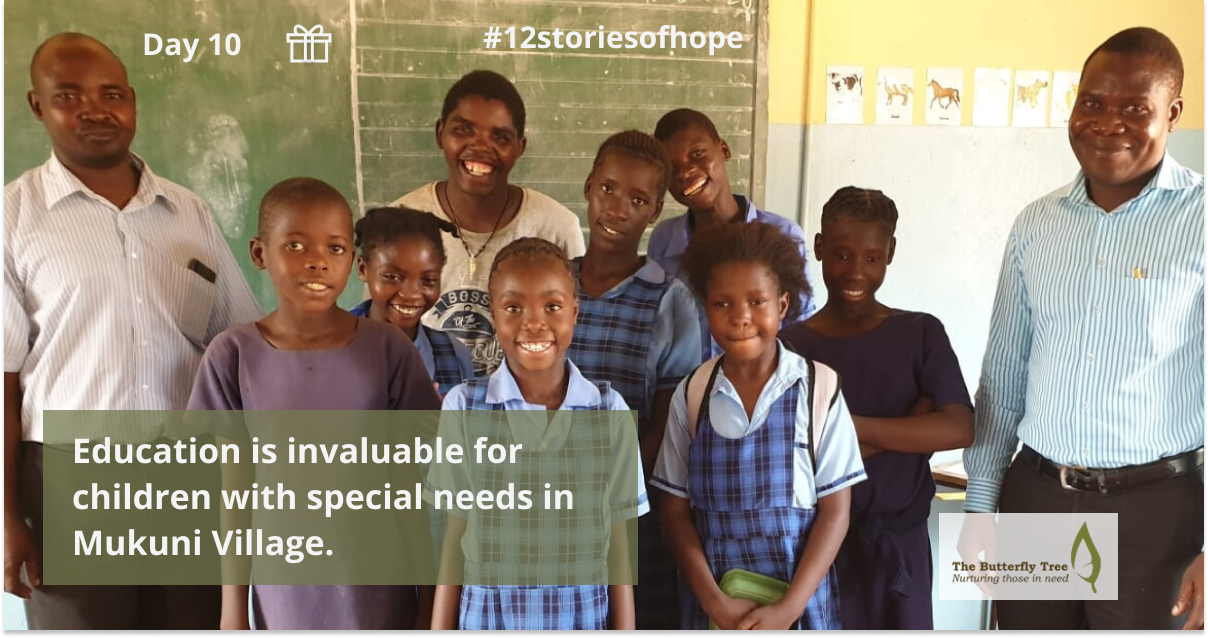
SPECIAL EDUCATION When the founder of The Butterfly Tree met Joseph at the age of 6, Jane learnt that he was born with cerebral palsy and could not stand without toppling over. The charity provided funds for Joseph to have More details >
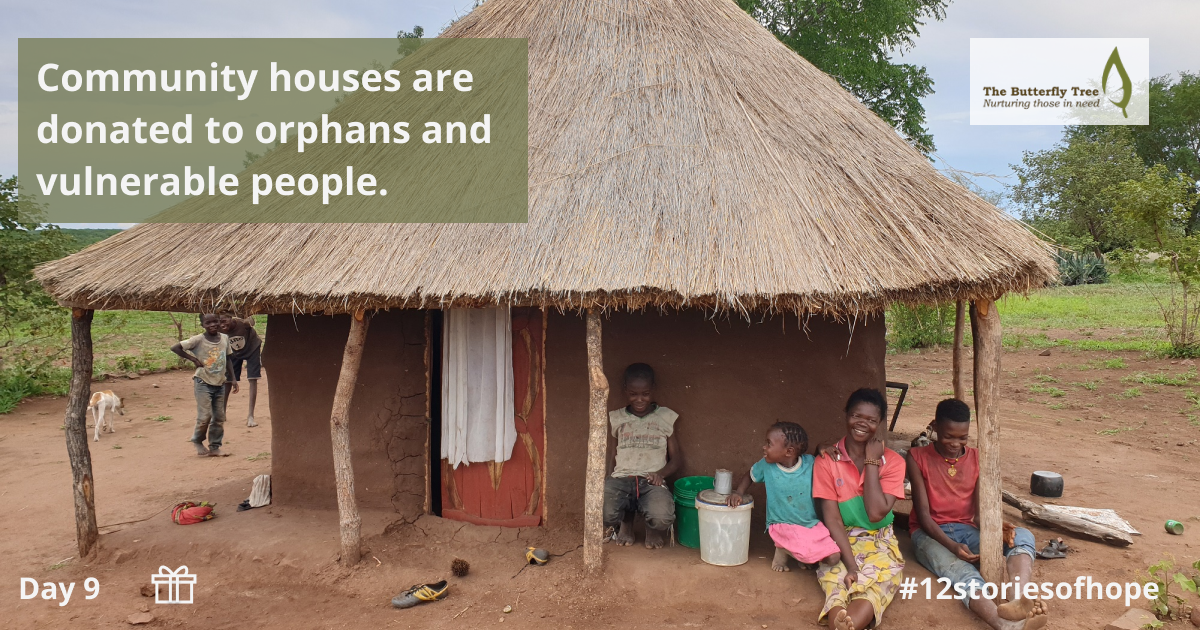
Community houses – orphans, widows and the elderly are frequently found living in appalling conditions with no one to support them. Due to the HIV pandemic grandparents, with no means of income after losing their children, are left with orphaned More details >
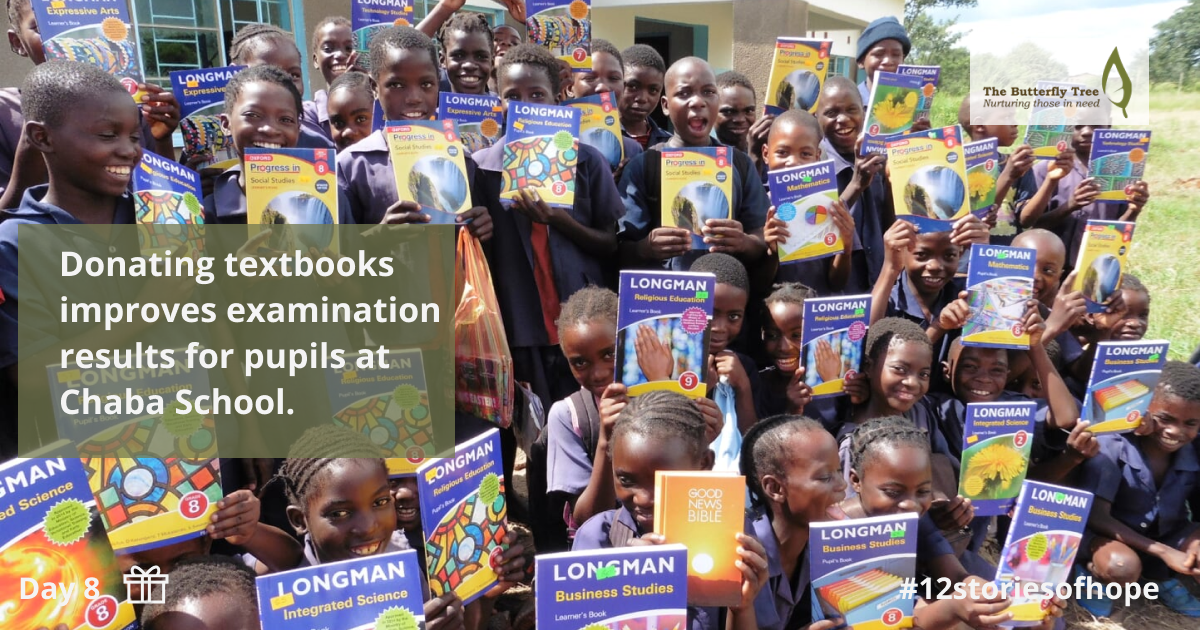
Textbooks for schools – Zambia’s education structure has 7 years at primary school, 2 and 3 years at junior and higher secondary school. Age is flexible as many children are late starting school due to extreme poverty. Pupils can complete More details >
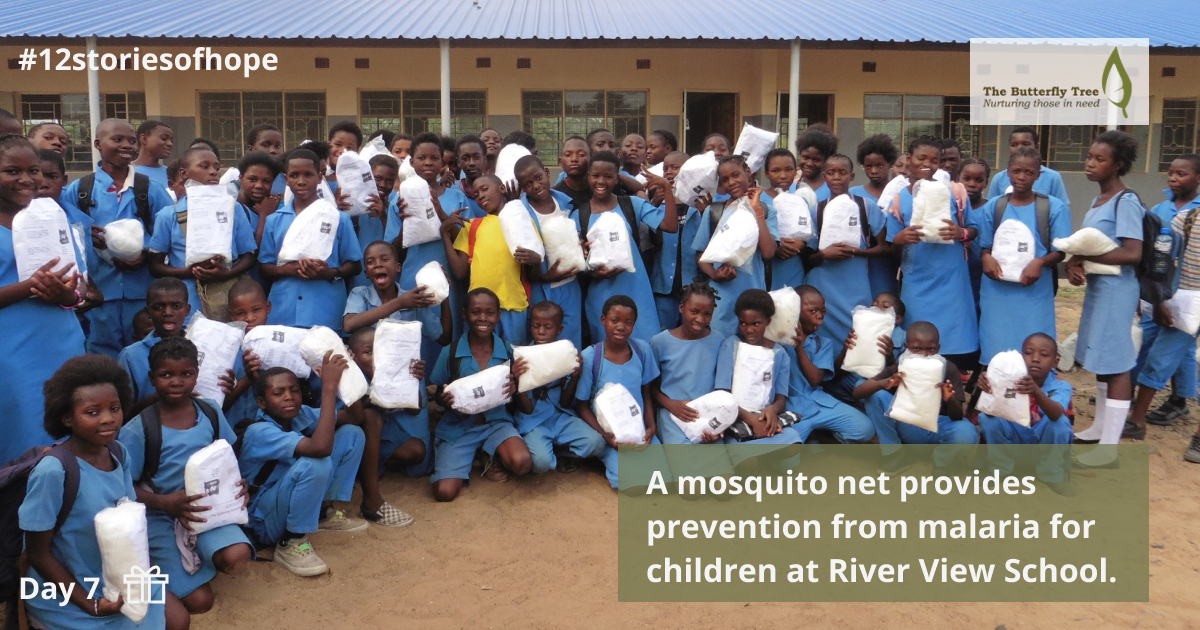
Malaria prevention – Every two minutes a child dies from malaria. According to UNICEF, malaria there are 2,500 deaths each day, these are mostly children under the age of five in sub-Saharan Africa. Zambia has a high prevalence of malaria. More details >
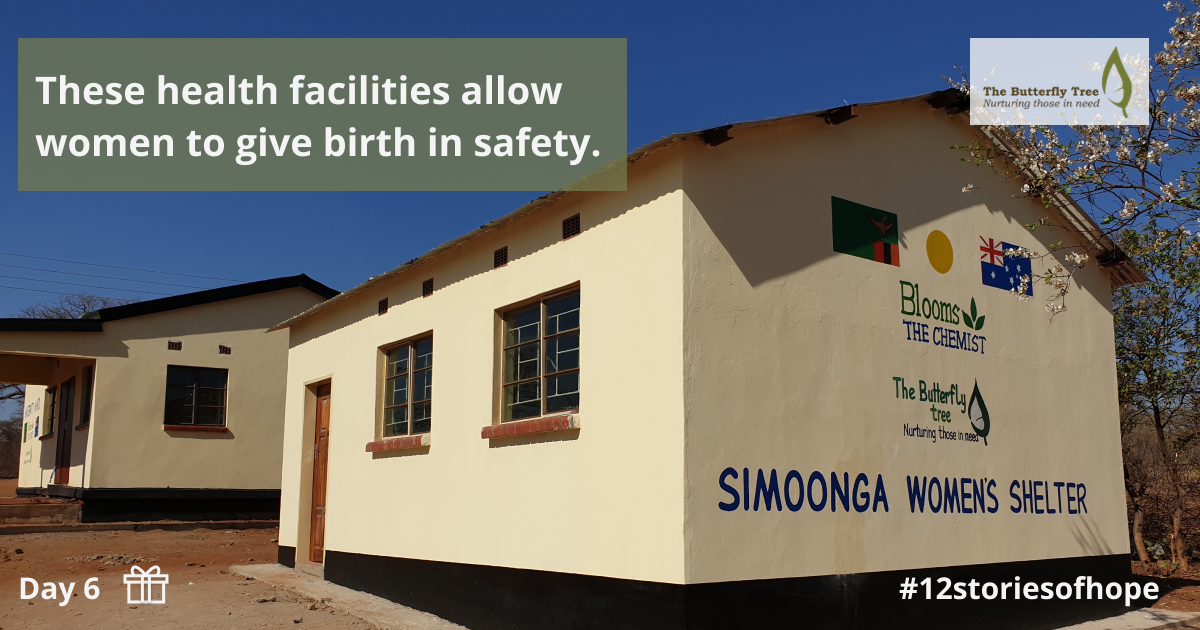
HEALTH FACILITIES In 2007 The Butterfly Tree constructed a maternity ward in Mukuni Village after meeting a woman who had walked 30 km from her village, in 38 degrees, to give birth at the health centre. The tiny labour room More details >
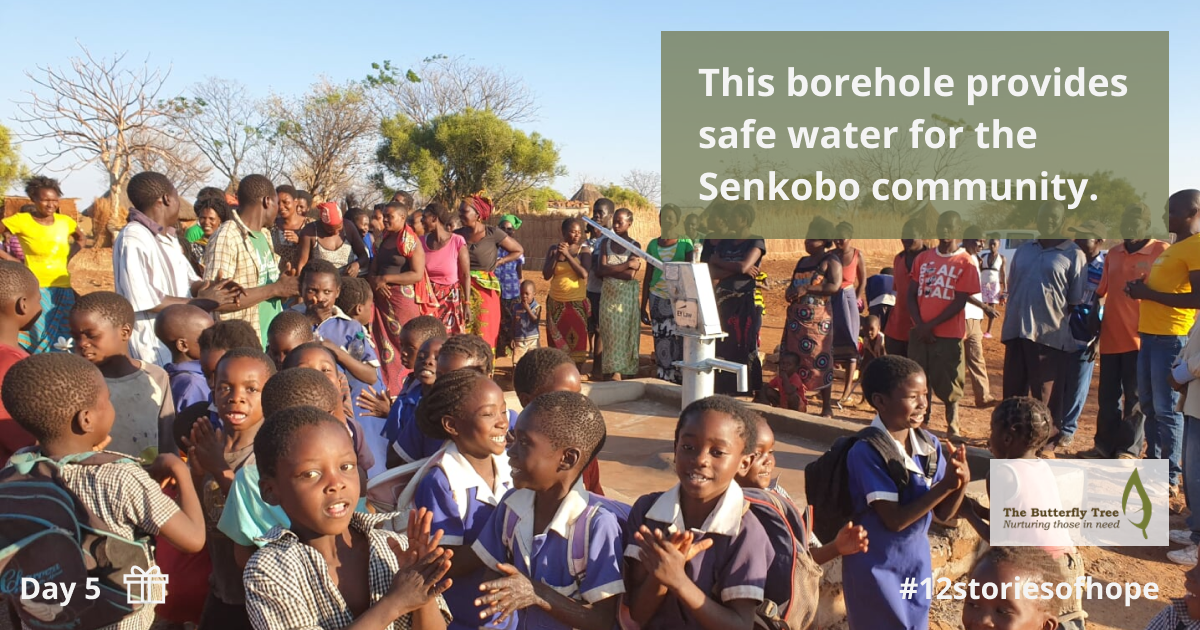
BOREHOLES AND WATER RETICULTATION SYTEMS According to the World Health Organization access to safe drinking-water is a basic human right, and yet a third of Zambia’s population do not have safe drinking water. In 2019 Zambia experienced the worst drought More details >
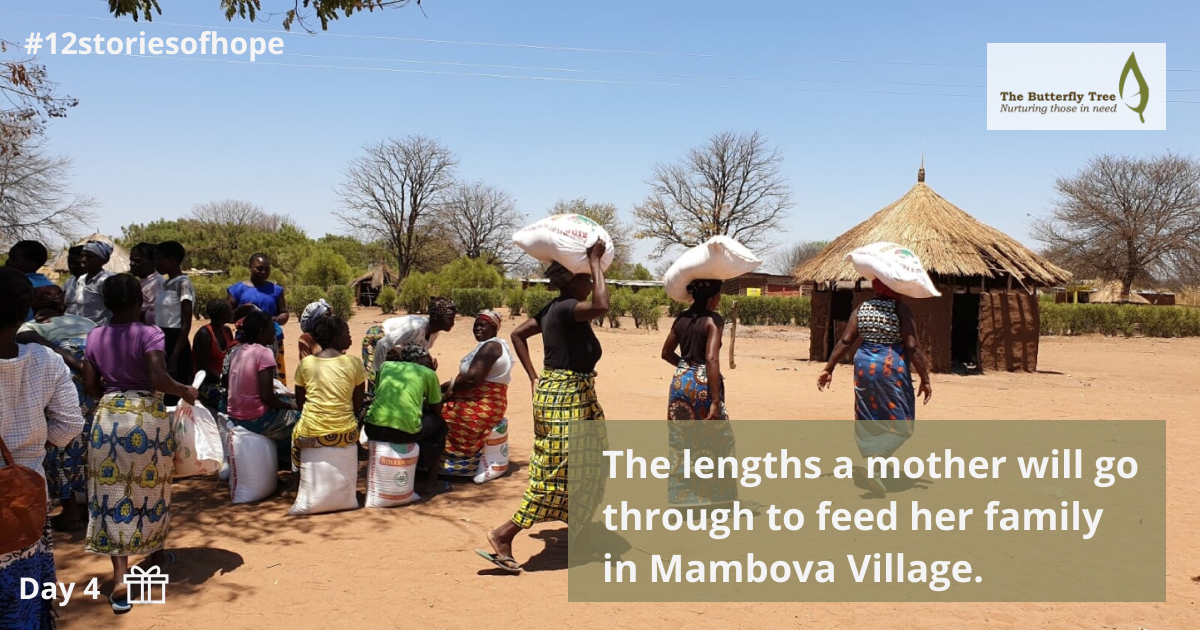
FOOD SHORTAGES Maize is the staple diet of Zambians. In 2019 the worst drought in 30 years hit the Southern and Western Provinces of Zambia. Severe hunger and in some areas famine was widespread. Crops perished and farmers resorted to More details >
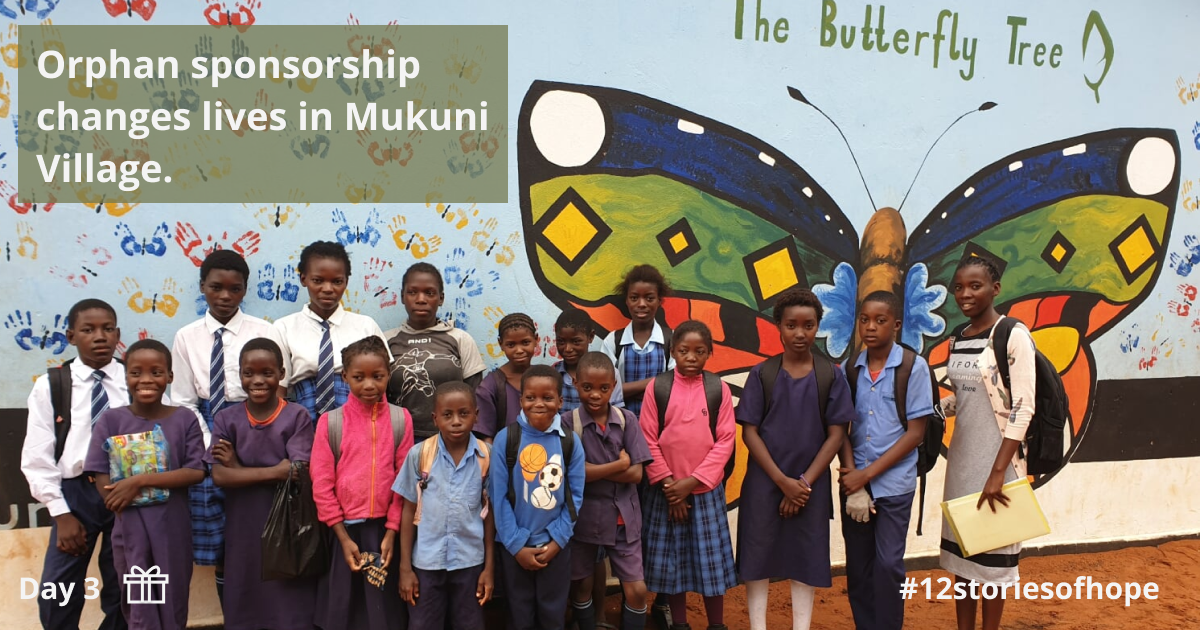
ORPHAN SPONSORSHIP Zambia has 1.2 million orphans. Since 2006 The Butterfly Tree has sponsored the education of hundreds of individual orphans and vulnerable children at #Mukuni, N’gandu, Kamwi, Ndele and River View Schools from pre-school to completion of high school. More details >