post

FOOD CRISIS IN SOUTHERN ZAMBIA

As many of you, who regularly read our newsletters, will know I always try to report positive news as we are saturated with shocking and depressing news. Therefore I have given it a great deal of thought before writing this post.

During the last thirteen years we have made a sustainable impact in water, health, education and sustainable feeding programmes throughout the Kazungula District, which covers a wide area and has a population in excess of 70,000. However, never before have we had to contend with a severe drought – this is a perfect example of climate change!

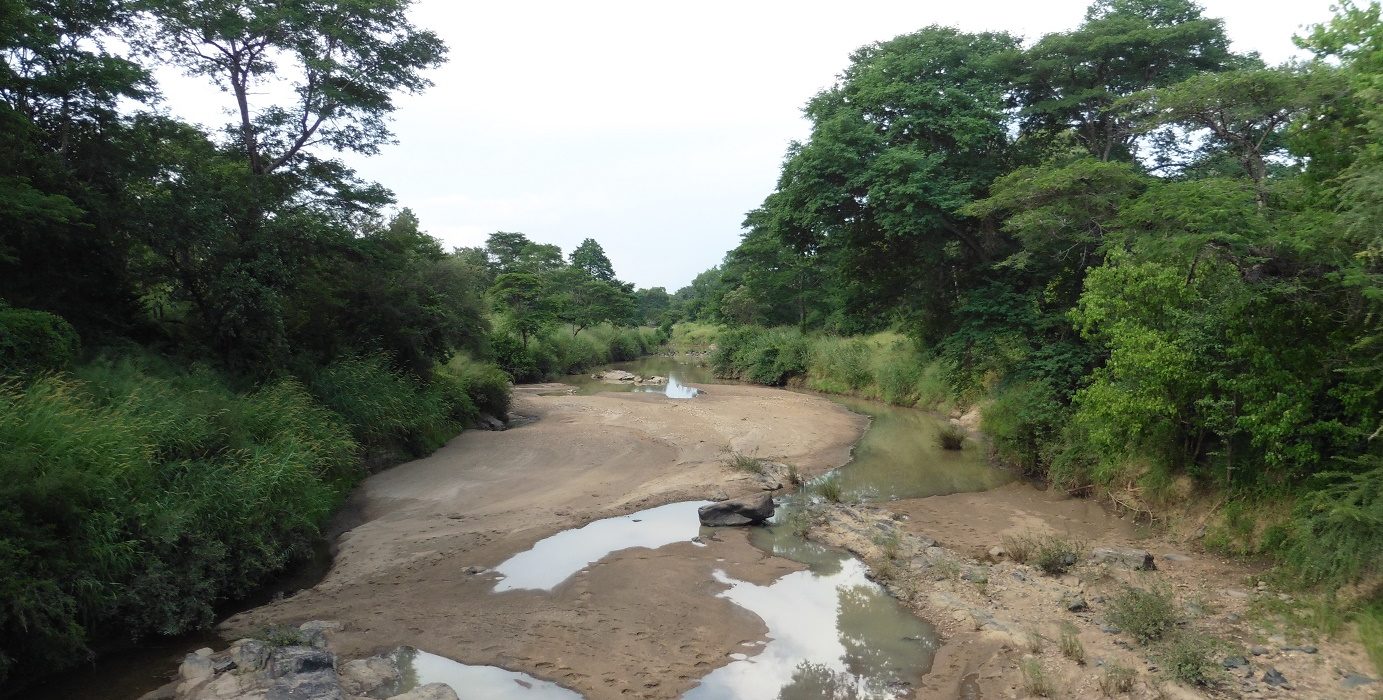
THIS RIVER IN NYAWA WAS SO FULL LAST YEAR THAT IT CAUSED THE MAIN BRIDGE TO COLLAPSE

This years rainy season did not really happen, which has resulted in crop failures and dry streams and rivers. Last month I drove hundreds of kilometers visiting remote schools, health centres and villages and everywhere was the same picture. One month on the situation has worsened. This is the time when food is normally in abundance, maize and millet ripening and vegetables readily available. There will be no rain before the end of the year as it is now the dry season.

MAIZE CROP FAILURE – MUSOKOTWANE CHIEFDOM

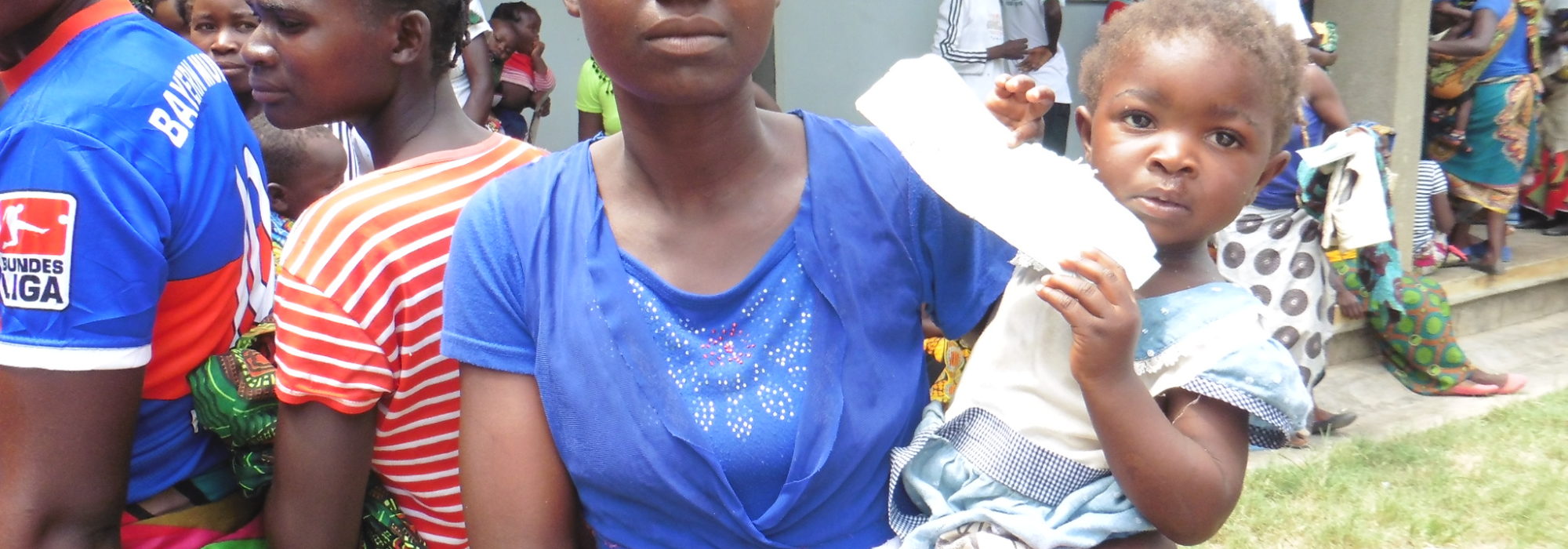
While the bigger organisations and government are conducting surveys children are hungry. What makes it worse is that schools, that have feeding programmes, are closed for the break. At Easter we made our first distribution in Mukuni and N’gandu. This week we asked one of our young volunteers to do a survey in Kamwi Village, where we sponsor many orphans to go to their school. Today he reported the following:                                                           ‘they just eat only lunch no breakfast or supper sometimes nothing.’                               Tomorrow we will be giving out bags of maize to all of these children.

SPONSORED ORPHANS AND AN ELDERLY LADY RECEIVE MAIZE – MUKUNI VILLAGE

I have contacted some of the big charities, had two responses and waiting to hear further from them. I have appealed on Facebook and Linkedin and been overwhelmed by the response. I would personally like to thank everyone who has supported this appeal, most especially the Hilary and Neil Charitable Trust, whose donation will buy 2,500 bags of maize, and also to St Matthews Accountancy.

DONATIONS TO ORPHANS AND AN ELDERLY MAN – N’GANDU VILLAGE

However, we need to do much, much more. Though we cannot help everyone we can certainly reach out to the orphans and vulnerable children that we support, and also the elderly who have lost their children. If we can provide food until the World Food Programme or some other big organisation steps in we can prevent children suffering from malnutrition.

We are now buying the courser grain which is cheaper than the refined maize, and has a higher nutritious content. If you would like to donate a bag of maize it costs just £7. Please use either our secure online facility, Mydonate or send an email to request our bank details to jane@thebutterflytree.org.uk

Jane Kaye-Bailey

Follow us on Facebook and Twitter

post

WORLD MALARIA DAY

Today marks World Malaria Day. The World Health Organisation states ‘After more than a decade of steady advances in fighting malaria, progress has levelled off. According to WHO’s latest World malaria report, no significant gains were made in reducing malaria cases in the period 2015 to 2017′.

WHO STATISTICS

  • In 2017, there were an estimated 219 million cases of malaria in 87 countries.
  • The estimated number of malaria deaths stood at 435 000 in 2017.
  • The WHO African Region carries a disproportionately high share of the global malaria burden. In 2017, the region was home to 92% of malaria cases and 93% of malaria deaths.

RURAL HEALTH CENTRES PLAY AN INVALUABLE ROLE IN MALARIA PREVENTION

Despite this disturbing news, I am pleased to say that The Butterfly Tree, though a relatively small grassroot charity, is making significant progress in malaria prevention. We have proof, from the environmental officers and the Zambian Ministry of Health, that our methods are working and that the number of new cases of malaria have been significantly reduced in the areas of application.

Since 2015 we have been using two safe innovative products. One of them is an insecticidal coating, used to paint the inside walls of dwellings, the other is a larvicide, which is placed in breeding grounds to prevent larva developing into mosquitos. We have applied the products in Mukuni, Moomba and Nyawa Chiefdoms, where malaria is prevalent, and most recently started a programme in Musokotwane.

COATING DWELLINGS – MUKUNI CHIEFDOM

Moomba Chiefdom is the most isolated community in the Kazungula District. In 2016 46% of the people had malaria. We first visited Moomba Health Centre, a distance of 300km from our base, in July 2017. As a result of donations, from St James’s Place Foundation, Rotary and Inner Wheel Clubs and individuals, during the past fourteen months we have painted every dwelling in the entire Chiefdom. Last year the number of new cases of malaria had been reduced by two-thirds, by the end of this year we should see further reductions.

THE LONG DRIVE TO MOOMBA CHIEFDOM

In Nyawa Chiefdom, the area we selected had the highest prevalence of malaria. We painted the houses and placed larvicide in ponds and streams. Since January 2018 no new cases of malaria have been reported. We have recently started a programme in Musokotwane Chiefdom, using donations received from Stratford-upon Avon and North Worcestershire Rotary Clubs.

MEDICAL OFFICER, NGWEZI RURAL HEALTH CENTRE – MUSOKOTWANE CHIEFDOM

To prevent contracing malaria universal coverage is crucial. In addition to insecticidal coating and larvicide, mosquito nets must be provided. Sadly, in every region there is a shortfall of nets, with priority being given to pregnant women and children under the age of five. While working with the environmental officers we found that older children are contracting malaria due to not having protection.

MOSQUITO NETS ARE ESSENTIAL FOR PREGNANT WOMEN AND UNDER-FIVES

As a result we introduced the concept of giving mosquito nets to schools, ensuring that every pupil received their own mosquito net. In November 2017 we did a pilot scheme at River View School, donating 1,400 nets to pupils, and also included the teachers. For the past eighteen months no absenteeism has been caused by malaria. Three further schools –  Sikaunswe, Kawewa and Mambova have each received a donation of mosquito nets. After the Easter break Kamwi and Chuunga schools will be included in this programme.

MOSQUITO NET DONATION FOR RIVER VIEW PUPILS

We are extremely grateful to have received grant aid from GOAC for the distribution of mosquito nets at River View, Sikaunzwe and Kawewa Schools, to Royal Leamington Spa Rotary Club for Mambova, and the Sacred Heart Foundation for Kamwi and Chuunga, and to everyone who has supported our vital work in helping the fight against malaria.

Follow us on Facebook and Twitter


post

SUSTAINABLE DEVELOPMENT IN HEALTH & EDUCATION

As always it was great to be back in Zambia, despite the many challenges we are making a positive change in the Kazugula District through our health and education projects. New health posts and schools are being built, more orphans are on sponsorship and significant progress is happening with our malaria prevention programme.

SPONSORED ORPHANS – MUKUNI CHIEFDOM

Thirteen years ago I wondered how I would ever raise enough money to build schools and clinics, this year the following projects are currently under construction with a new maternity ward for Simonga Health Post to be added to the list:

  • Nyawa Secondary School – science lab – funded by Hilary and Neil Charitable Trust
  • Kawewa Junior – 1×2 classroom block and latrines – funded by the BFSS
  • River View Junior School – 1x 2 classroom block – funded by Nick Bousliman
  • Muyunda Community School – 1×2 classroom block, latrines and borehole – funded by private donors
  • Nakawa Pre-school – new classroom block, borehole and latrines, and latrines at Bunsanga School – funded by the ATD Foundation
  • A new health post, staff house, latrines and borehole for Bunsanga Community – funded by GOAC

SCIENCE LABORATORY – NYAWA SECONDARY SCHOOL SOON TO BE COMPLETED

In addition a further nine community houses have been built for orphans, courtesy of Motive Real Estate, Texas. Founder, John Staab and his partner Jessica, once again came to Zambia to participate with this project.

COMMUNITY HOUSE BEING BUILT FOR AN ORPHAN – MUKUNI VILLAGE

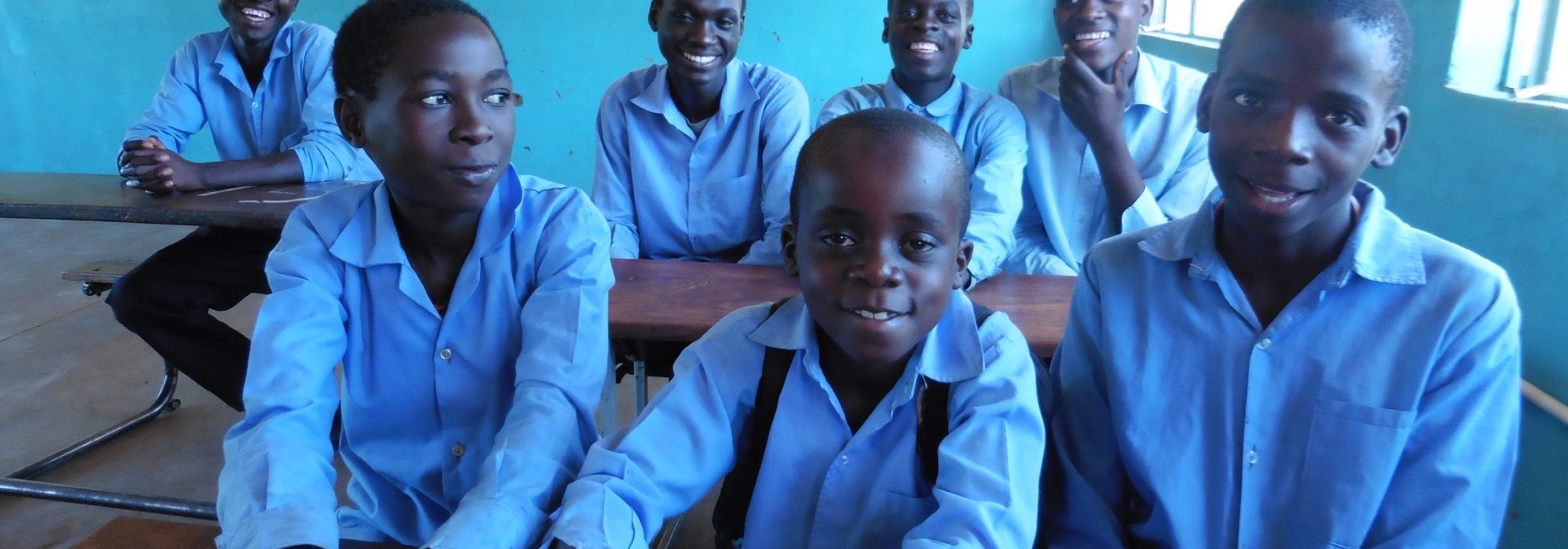
It was a pleasure to visit the schools and see so many children attending school. Since our involvment at River View School the number of pupils has increased from 800 pupils to 1,500. The school is situated close to the Botswana Border where there is a high level of HIV, truckers can spend up to three days waiting to cross the river- the good news is that a bridge is currently under construction.

SCIENCE LABORATORY – RIVER VIEW SCHOOL, SEKUTE CHIEFDOM

We have increased the number of orphans on sponsorship, they are to be mentored by our peer educators, stressing how important it is for them to complete school. It was wonderful to catch up with students attending university and college, and those that have recently completed skilled-based courses. Edwin, Jafter, Dennis and Peter are now qualified builders and have started working on our construction projects.

DENNIS & PETER CONSTRUCTING A TOILET – MUKUNI MOTHER’S SHELTER

I drove to Nyawa Chiefdom where we have three new education projects under way, as well as a malaria prevention programme. Since applying the safe insecticidal coating and larviciding intervention, the environmental officer at Nyawa Health Centre, has recorded NO malaria cases since April 2018. We stopped to see the delapidated health post in Bunsanga, which is to be replaced this year. In addition to Nyawa we have now applied protection against malaria for the entire Chiefdom of Moomba.

OLD HEALTH POST – BUNSANGA, NYAWA CHIEFDOM

Moving in to Musokotwane Chiefdom we visited Ngewi Heatlh Centre, where high numbers of malaria cases were recorded last year. The larvicide has been placed in ponds and streams – our aim is to seek funding to provide full protection for this area, which has a population in excess of 11,000. Leamington Spa Rotary Club member, Rosemary Good, joined me one day – her club donated funds towards our ‘mosquito nets for schools’ project, 190 nets were given to Mambova School.

ROSEMARY AND JANE VISITING MAMBOVA SCHOOL, SEKUTE CHIEFDOM

Once these constructions have been completed they will be handed over to the Ministries of Health and Education and communities. The government provides qualified teachers and medical staff, and the local people are trained as community health workers, and form a PTA committee at the schools. The privately-owned pre-school at Nakawa is run by volunteer teachers. Our aim as always is to create as much sustainability as possible.

Jane Kaye-Bailey

Follow us on Facebook and Twitter