post

Water in Zambia

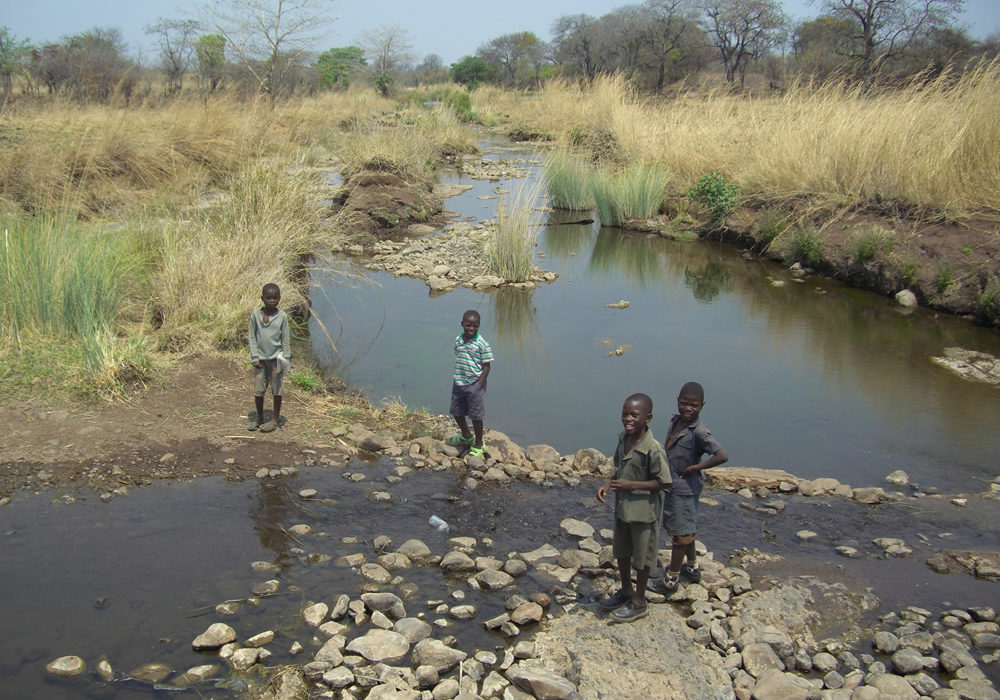
No project is more essential than that to improve access to safe water in remote schools and communities. It is heart-breaking to see children drinking from bacteria-infested streams and rivers, especially when the rivers are teaming with crocodiles.

A third of Zambians do not have access to safe water, thousands of people walk several miles daily to fetch water, much of it unclean. Contaminated water is a leading cause of diarrhoeal disease in Zambia, Schistosomiasis, (also known as Balharzia) and Rotavirus are common and can be fatal in infants.

CIMG9704

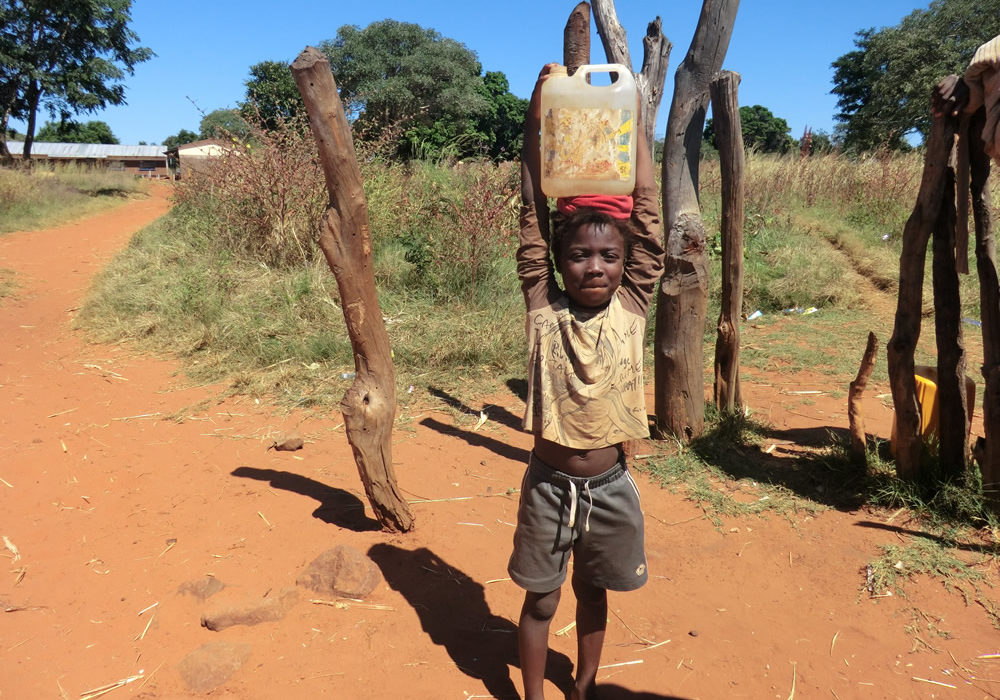
Water in Zambia – pupil from Kamwi Basic School

Annually, there are an estimated 10.5 million cases of diarrhoea, 63,000 hospitalisations and 15,000 deaths attributed to the disease in children under-five in Zambia. The Butterfly Tree’s aim is to source communities in Zambia desperately in need of bore holes and find schools with insufficient sanitation.

CIMG8715

Bore hole and Indian Hand Pump – Muchambile Community School

Recently I visited Nampuyani School, in the Nyawe Chiefdom, where children were drinking unsafe water from shallow wells. During the rainy season, November to April, the pupils dug these wells to collect water for storage during the dry season. By May one of the two wells was already dry. These wells are being used by animals at night, further polluting the water. Thanks to a generous donation from Attraction Tickets Direct, through our partner Just a Drop, a bore hole and Indian hand pump will be installed this month.

CIMG9891

Shallow well – Nampuyani School

Lack of sanitation is another huge issue, more than fifty per cent of Zambians do not have sanitation facilities. Schools can be closed down by the government if there are insufficient latrines, diarrhoeal diseases are common amongst pupils.

The Butterfly Tree has added eleven bore holes to schools throughout the Chiefdoms of Mukuni, Sikute, Musokotwane and Nyawe in the Southern Province of Zambia. Adding a bore hole not only gives the pupils access to safe drinking water, but also helps them to have sustainable feeding programmes. In addition we have constructed over forty latrines in schools, which has helped to reduce diarrhoeal diseases and absenteeism.

CIMG8304

VIP Latrine – Kamwi School

Next month three volunteers from Enactus, a student-run company based at the University of Sheffield will volunteer for The Butterfly Tee. Their intention is to improve the water facility at Ng’andu Basic School and help to initiate a soap-making project as part of our Ecotourism plan, to create a sustainable enterprise for school leavers. Hanna Cohen and her two daughters from the US will also volunteer in July and have kindly raised funds for a bore hole.

Follow us on Facebook and Twitter

post

Malaria Prevention

[PRESSWIRE] London, UK – 03.06.14 — The Butterfly Tree has been given a licence to import two safe new products to use in the prevention of malaria and other vector-borne diseases.

Globally malaria is the biggest killer of man. 75% of people who die from malaria are children under 5, mostly in Sub-Saharan Africa.

The products could potentially save the lives of thousands of children and also help to prevent Onchocerciasis, commonly known as river blindness, caused by the black fly. In areas of the Northern and Western Provinces one in ten people suffer from this condition and currently there are no preventative methods available in Zambia.

The Ministry of Health and the Malaria Control Centre in Zambia have welcomed the products. They have been tested by the London School of Hygiene and Tropical Medicine in the UK and the active ingredients used have been approved by the World Health Organisation.

CIMG0064

Young boy with malaria – Simango Rural Health Centre

The Butterfly Tree is to be given licenses to import and distribute throughout Zambia. Besides using it for our humanitarian projects we are contacting all corporates operating in the nation as this could be hugely beneficial to the mining, agriculture and tourist industries.

Many productive hours are lost as a result of malaria. By selling it to corporates we will be able to create sustainability for our water, health, education and community projects in addition to extensively distributing the products to vulnerable communities.

The first product, MozziMort, is an insecticidal coating used on any hard surface that lasts for two years and could replace the normal method of insecticide spraying, which only lasts for six months.

The second product, MozziMort Larvicide granules, prevents mosquito larvae reaching adult stage: http://biotechinternational.co.uk/

CIMG3842

Mosquitos breed in stagnant water – Siamasimbi Village

Notes to Editors

The Butterfly tree is a UK charity and NGO in Zambia, founded in 2006 by Jane Kaye-Bailey, to support rural communities decimated by the HIV pandemic in Zambia. The charity funds bore holes, health and education facilities, sustainable community projects and an orphan sponsorship programme. From its concept the charity’s philosophy is to ensure that all donor funds go directly into the grass roots projects – no personal fees or administration costs are deducted. All members both in the UK and Zambia are volunteers.

For more information contact:
jane@thebutterflytree.org.uk
+44 (0) 1926 843699

The Butterfly Tree: www.thebutterflytree.org.uk